College Scheduler Adds Two New Institutions!

July 30th, 2010 by admin

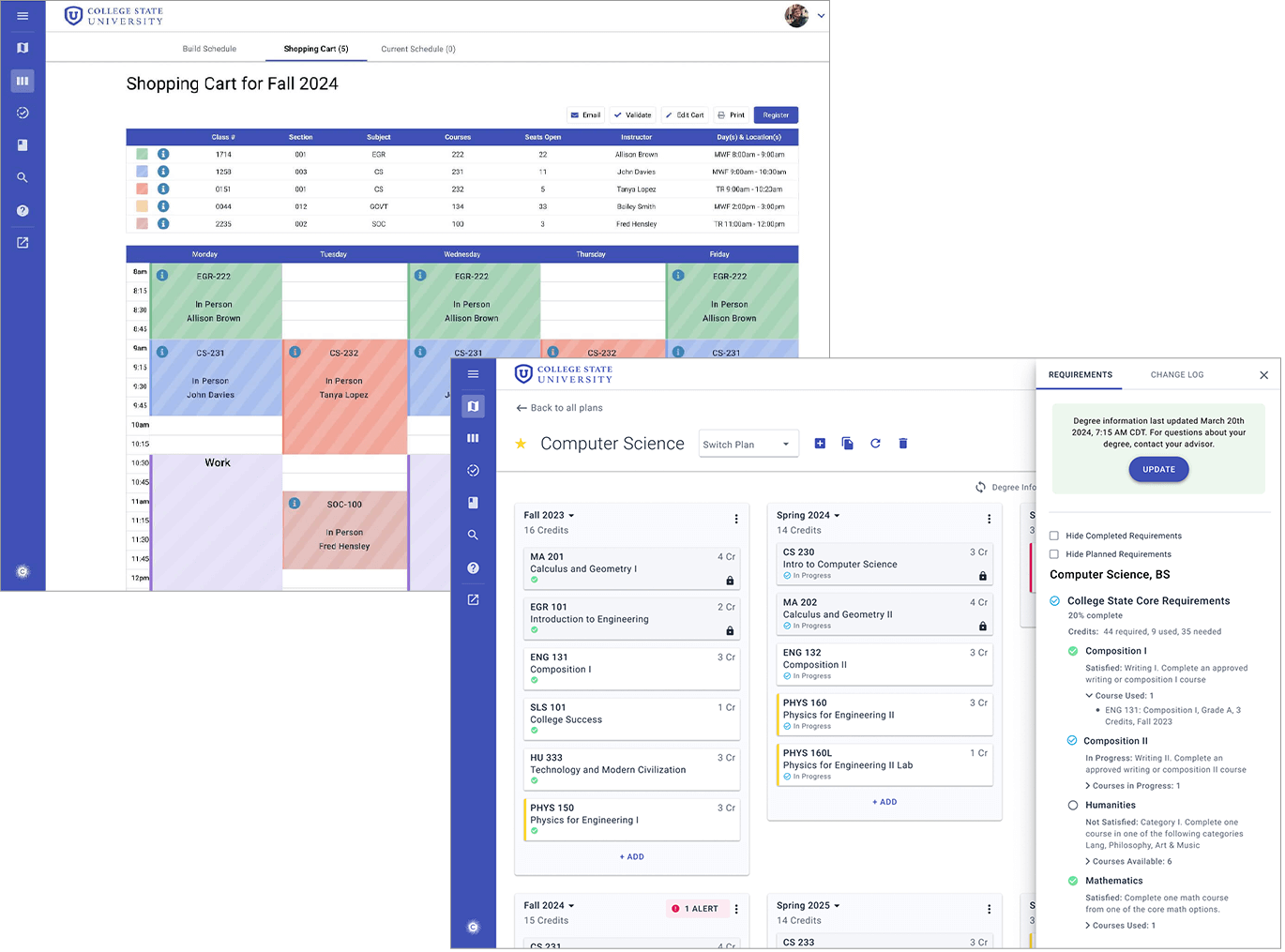
We would like to welcome University of Alabama, Huntsville and Washtenaw Community College in Michigan to the College Scheduler family!  Both of these institutions are using our web based schedule planner with their Banner system to save academic advisor time, help students take more classes and graduate faster.   We’re glad to have you!

The Mother of Invention

March 17th, 2010 by admin
The Mother of Invention
Last week we reflected on the effect of rising tuition costs on student behavior, and what that meant from the administrator’s perspective. This week it’s closer to home. Let’s talk budget.
In January the American Association of State Colleges and Universities published a policy paper [http://www.congressweb.com/aascu/docfiles/AASCU_Top_Ten_Policy_Issues_2010.pdf] outlining the Top 10 State Education Policy Issues for 2010. Not surprisingly, three of the top 10 issues were directly related to money. The other seven could be tied to the question of funding quite easily.
The number one issue identified for 2010 is well known to anyone working in a public university setting, or any university with access to state funds: The states’ budget crises.
In the best of times, state colleges and universities, including state-run community colleges, are in competition with other state budget “line items” (state transportation, parks and forestry, aid to localities, public safety, health and human resources, National Guard, etc.)
But now, the states themselves are in a fiscal crisis – to the tune of a deficit of a quarter trillion dollars over two years. Budgets are on every administrator’s mind, and dodging the budget axe has become a full-time obsession throughout much of academia.
As “Dean Dad” vents [http://onlineuniversityrankings2010.com/2010/top-50-college-admission-administration-blogs/] on March 10, heroic sacrifice has become a “budgetary baseline,” and continual cutting has become routine. To make matters worse from the point of view of an administrator, the American Association of University Professors claims that faculty must be protected at all costs.
Heroism has its place, but so does innovation. Working harder can get a staff through a year with an unfilled vacancy. But you cannot continually answer the call to “do more with less” unless you’re working smarter.
Anyone who has studied a budget has seen interesting if meaningless bullet points in the budget narrative, saying things like a department will “use technology to reduce costs.” The underlying assumption, of course, is that the department does repetitive work amenable to automation, and that the department will identify that work and find an appropriate technological solution.
But if you’re in college or university administration, you’re in luck. You’re reading this blog, which means you are on the verge of actually realizing the magical budget narrative bullet point above.
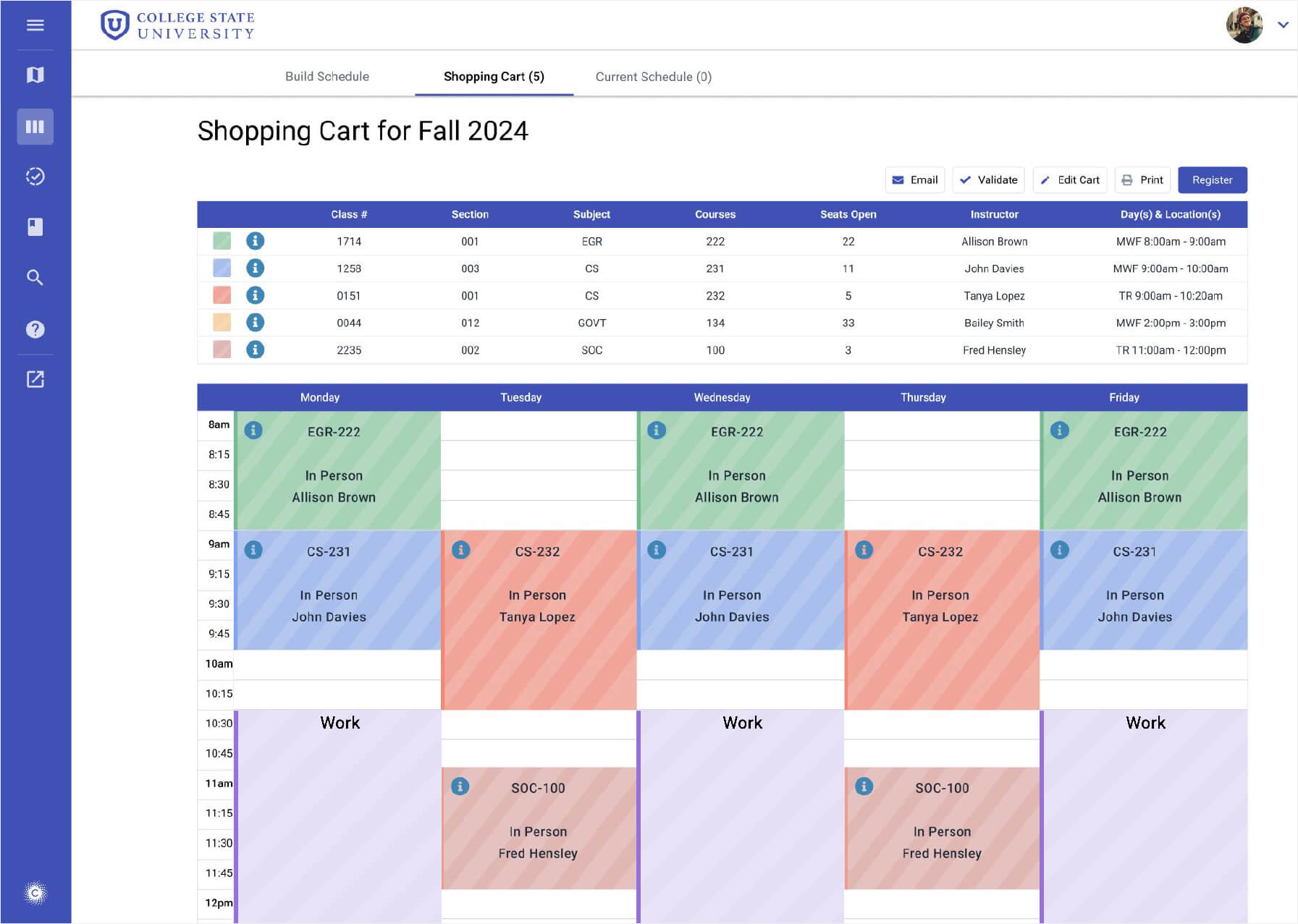
College Scheduler actually does replace antiquated, time-wasting chores with simple, automated processes that students can handle themselves, through an easy-to-understand interface. After putting College Scheduler to work, your already overworked staff can get out of the business of comparing empty schedule blocks with course catalogs, and spend their time advising students instead. If you routinely do the heroic to get through registration, College Scheduler returns your job to a the realm of sanity, budget axe be damned.
Necessity, the old saying goes, is the mother of invention. College Scheduler cannot stop the budget mayhem, but it can help you do more with less.
These days, it may be a tool you cannot afford to ignore.

Last week we reflected on the effect of rising tuition costs on student behavior, and what that meant from the administrator’s perspective. This week it’s closer to home. Let’s talk budget.

In January the American Association of State Colleges and Universities published a policy paper outlining the Top 10 State Education Policy Issues for 2010. Not surprisingly, three of the top 10 issues were directly related to money. The other seven could be tied to the question of funding quite easily.

The number one issue identified for 2010 is well known to anyone working in a public university setting, or any university with access to state funds: The states’ budget crises.

In the best of times, state colleges and universities, including state-run community colleges, are in competition with other state budget “line items” (state transportation, parks and forestry, aid to localities, public safety, health and human resources, National Guard, etc.)

But now, the states themselves are in a fiscal crisis – to the tune of a deficit of a quarter trillion dollars over two years. Budgets are on every administrator’s mind, and dodging the budget axe has become a full-time obsession throughout much of academia.

As “Dean Dad” vents on March 10, heroic sacrifice has become a “budgetary baseline,” and continual cutting has become routine. To make matters worse from the point of view of an administrator, the American Association of University Professors claims that faculty must be protected at all costs.

Heroism has its place, but so does innovation. Working harder can get a staff through a year with an unfilled vacancy. But you cannot continually answer the call to “do more with less” unless you’re working smarter.

Anyone who has studied a budget has seen interesting if meaningless bullet points in the budget narrative, saying things like a department will “use technology to reduce costs.” The underlying assumption, of course, is that the department does repetitive work amenable to automation, and that the department will identify that work and find an appropriate technological solution.

But if you’re in college or university administration, you’re in luck. You’re reading this blog, which means you are on the verge of actually realizing the magical budget narrative bullet point above.

College Scheduler actually does replace antiquated, time-wasting chores with simple, automated processes that students can handle themselves, through an easy-to-understand interface. After putting College Scheduler to work, your already overworked staff can get out of the business of comparing empty schedule blocks with course catalogs, and spend their time advising students instead. If you routinely do the heroic to get through registration, College Scheduler returns your job to a the realm of sanity, budget axe be damned.

Necessity, the old saying goes, is the mother of invention. College Scheduler cannot stop the budget mayhem, but it can help you do more with less.

These days, it may be a tool you cannot afford to ignore.

Bending the Cost Curve

March 12th, 2010 by admin

In its most recent annual survey of college tuition costs the College Board found an average increase of 4.4% in the price of private four-year colleges, and of 6.5% in public four-year colleges – in a year when inflation in the economy at large was actually -.4% .

The rise in college costs above inflation is neither inexplicable nor new. The causes have been analyzed ad nauseum, and the politics of college costs are on display daily, at one or another level of government. What is often ignored are the effects of the economic squeeze on the behavior of students.

The obvious comes first: competition for scholarships is fierce. Grants are in high demand. Inevitably, students choose colleges they can afford, and those whose ability to pay was already marginal increasingly drop from the landscape. Nearly two-thirds of Americans believe that qualified prospective applicants never get the chance to go to college.

But then comes the interesting part: the effect of rising costs on the student population as constituted. Students are increasingly older when they begin college, and are more likely to work full-time. Even the “traditional” student going to college straight out of high school is much more likely to work to contribute at least a part of his own college costs.

Translation: the student himself, more than ever before, has “skin in the game,” making his experience of college administration much more of a business transaction. “Filler classes,” chosen by default because needed classes are full, waste money and time – two commodities in short supply for today’s student. The student increasingly wants a straightforward path to a degree directly applicable to an occupation.

College Scheduler is your ally, and your students’ ally, in this changing environment. Administrators nationwide are finding it a simple, effective way to handle the task of class scheduling. Advisers are finding their time free to help students plot the path that best suits their goals – not to sort through time slots in search of only vaguely connected courses.

The frustrations of the administrator, the student, and the adviser all have common antecedents in the same economic and demographic trends. College Scheduler addresses those trends, by rationalizing the process of class registration.

Top Ten Things College Students Would Like Administrators to Know

March 3rd, 2010 by admin

We recently had the opportunity to pose the question “What are the top ten things college students would like administrators to know?” We got several interesting and insightful responses, which we plan to share over time right here on the College Scheduler blog. The first in this series is a top ten list from Francie Grace, the Managing Editor at PublicAgenda.org.

Based on research conducted by PublicAgenda.org and others, the top ten things that college students would like administrators to know are:

  1. Most college students today live off campus and are at least somewhat self-supporting. Only a small percentage fit the traditional student profile;
  2. Many students must hold jobs and need scheduling flexibility. Classes available during evening and weekend hours greatly increase the likelihood that these students will be able to successfully complete their education;
  3. Many students are also parents, often with infants or preschool age children. Babysitting services increase their ability to pursue an education while simultaneously meeting family responsibilities;
  4. While still in high school, students need more guidance to determine which college best fits their individual needs. Once enrolled in college, they need more guidance to determine the best course of study;
  5. Print textbooks are expensive which creates a significant financial burden for some students. Many students would like to have less expensive, more easily updated electronic options;
  6. Finding a job after college is often difficult. In addition to an education, students would appreciate guidance on searching for a job within their field and access to a network of potential contacts;
  7. Students and their families often feel that the business of running a college takes precedence over ensuring a quality educational experience;
  8. The challenges associated with pursuing higher education are a surprise to many students. A formalized, open dialog with administrators would be of benefit to all students, especially those who are unprepared for the reality of college;
  9. Online learning options enhance the college experience; and,
  10. Fun is an important element.

Please carefully consider what these young people have to say. Based on the above ten points, are there ways in which you can improve the educational experience for students at your school? College Scheduler can help you make course scheduling easy for students, ensuring they get the most out of every semester. Give us a call at 866-885-2834 if you’d like more information.

Computing in a Cloud

February 12th, 2010 by admin

You may have heard of cloud computing as the term is gaining popularity of late. But what does it actually mean and how might it affect you and your school in the future? Is it new? Or is it just new terminology?

Simply put, cloud computing refers to applications, information and data being provided and managed as a service via the Internet, allowing a user convenient access regardless of location or available hardware. Many large corporations, such as Amazon and IBM, have invested in cloud computing and are now offering various services to both individuals and businesses.

According to computer expert Kim Komando, cloud is a word that computer geeks use when referring to the Internet. So cloud computing means that people are using the Internet to access programs that are located elsewhere. The actual name for this is software as a service, or SaaS. But cloud computing sounds so much friendlier, don’t you think?

While the term may be relatively new, cloud computing has been around for quite a while. Google is a prime example of how cloud computing works and what it can do for you. If you currently use any of Google’s services, you are already familiar with computing in a cloud.

Cloud computing has many advantages and few drawbacks. The most obvious advantage is the ability to access powerful programs online rather than having to download and install software on each computer. This not only saves money, time and valuable computer memory, but also solves the numerous problems associated with software updates and upgrades. The main drawback to cloud computing is the lack of availability in the event of an Internet outage.

We believe that cloud computing will be increasingly popular as time goes by, especially with the rapid expansion of high-speed Internet. College Scheduler, our web based course scheduling system, is a fine example of cloud computing in action. With College Scheduler, students access the system at their convenience and are able to quickly and easily generate the best course schedule possible. In addition, College Scheduler integrates with your current student information system and requires no further attention from your IT staff once the initial set-up is complete.

If you’d like to find out more about College Scheduler and how this cloud computing innovation will benefit your school, give us a call. We look forward to answering your questions and would be happy to schedule a demo at your convenience.

Reducing Stress for Students

February 4th, 2010 by admin

Excess stress is unpleasant and unhealthy. Too much stress, day after day, can really take a toll on even the healthiest individual. Headaches, frequent illness, sleep problems and fatigue, which are all common physical symptoms of stress, are hardly conducive to learning! Administrators at educational institutions across the country know that effectively managing stress is imperative for success when pursuing higher education. But what can you do to help students in this area?

As an administrator, you can have a significant impact on the level of student stress at your school through following these two steps:

First, set a good example by practicing effective stress management techniques yourself. Just as you are directed to put on your own oxygen mask before attempting to assist others in the event of an in-flight emergency, you must take care of yourself before you can effectively help your students. To that end, make personal health a priority. Eat a balanced, nutritious diet and get adequate exercise and sleep each day. Also, employ proven stress management techniques such as proper breathing and relaxation.

Second, look for creative ways to make the educational process less stressful. Stress from external sources falls into one of two categories – stress caused by things that can be changed and stress caused by things that cannot be changed. Consider various aspects of college life from the student’s point of view and determine what common stressors fall into the first category. Ask students for input, especially freshman who are not yet comfortable with college life. These young people often bring a fresh perspective to the table that may elude those who have already adapted.

One typically stressful area in which you can have an immediate impact is the area of course scheduling. College Scheduler, our web based course scheduling system, takes the stress out of the process of determining the best possible schedule for each individual student. Rather than spending time manually trying to work out the optimal class schedule, College Scheduler automates the process. In addition, students enjoy the convenience of accessing the system from any place where an Internet connection is available. Please give us a call at 866.885.2834 to find out more about College Scheduler and how it can be of benefit to your students and your school.

Effective Ways to Free Up Time

January 29th, 2010 by admin

We know that busy administrators and IT staff recognize the importance of effective time management. Using time more efficiently by employing various time management techniques, or freeing up time through traditional methods such as delegation, are both great strategies. But what about tools that actually free up time without personal behavior change or merely shifting various tasks to others?

When properly used, we’ve found that email and voice mail are both tools that can free up a significant amount of time. The ability to conduct business instantly in writing, as with email, allows for brevity and clarity as well as an easy-to-find written record. Using voice mail to capture messages so that calls may be returned at your convenience limits the number of unnecessary disruptions experienced throughout the day. We try to use these tools for optimal efficiency by setting aside specific blocks of time in which to respond to messages.

Here are a few additional tips we’d like to share that have helped us to use time more efficiently.

  • Dedicate a few minutes each morning to prioritizing activities for the day and each evening in preparation for the next day.
  • Avoid under-utilizing time by having some reading or other small task ready for any unexpected down time, such as when waiting for an appointment. Combine activities, when possible.
  • Capture random thoughts at odd times with a digital voice recorder. Carry one everywhere and record thoughts as they occur without the need to stop what you’re doing to jot them down. Go a step further and get voice recognition software that works in concert with your voice recorder to transcribe the recordings with no additional effort on your part.

While many tools and techniques foster the better use of time, to actually free up time you need to completely automate or eliminate certain tasks. College Scheduler, our course scheduling system, is designed to do just that. College Scheduler allows each student to find the best class schedule quickly and easily, without assistance. The web-based system integrates with your existing student information system and requires only a one-time set up with no further maintenance.

Make better use of your time every day through a combination of time management, delegation and time saving tools. If you’re interested in further freeing up time, call us to find out how College Scheduler can benefit the students and staff at your school.

Streamline Class Scheduling with College Scheduler

January 23rd, 2010 by admin

When asking college or university students what they find to be the most frustrating aspect of registering for courses each term, we typically hear about some part of the class scheduling process. Students find that trying to coordinate required courses and desired electives is a real challenge. If work, sports or other extra curricular activities must be added to the equation, the challenge grows exponentially.

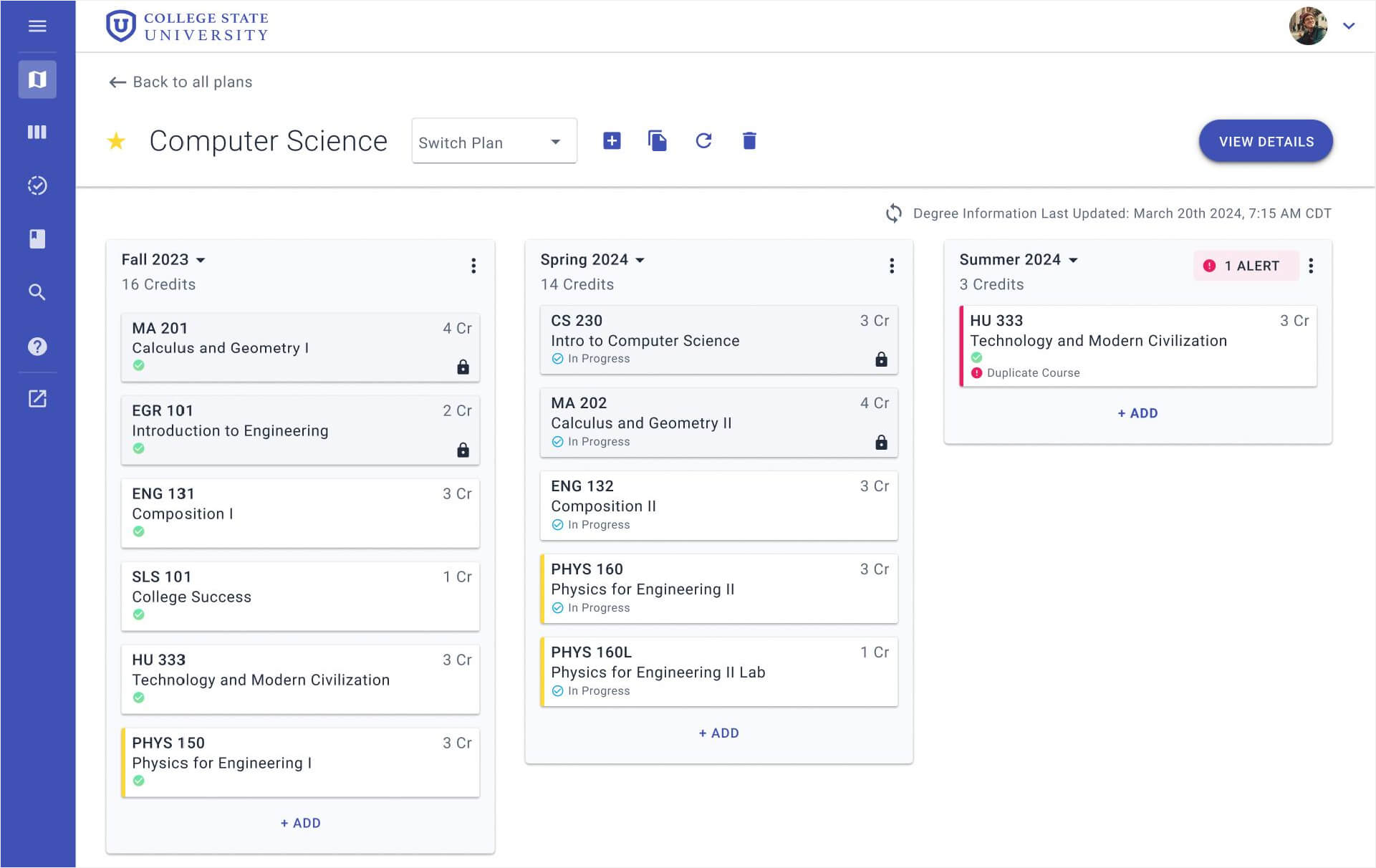
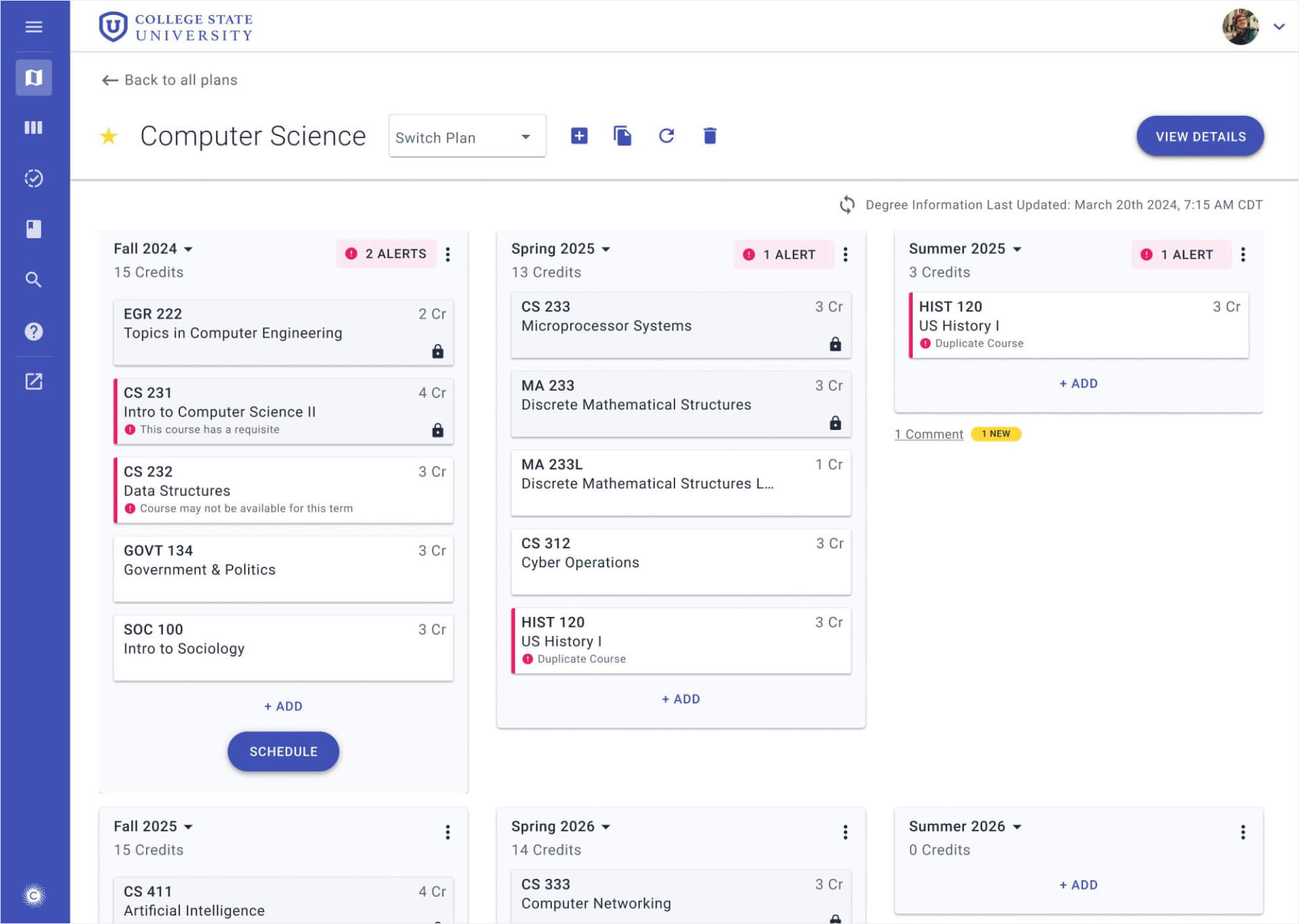
With College Scheduler, we have a solution that solves student scheduling problems. Designed several years ago by an undergraduate in response to frustration with the traditional scheduling process, our web-based system provides an easy and efficient way for students to plan their schedules. College Scheduler is a welcome alternative to any other course planning system that we’ve seen.

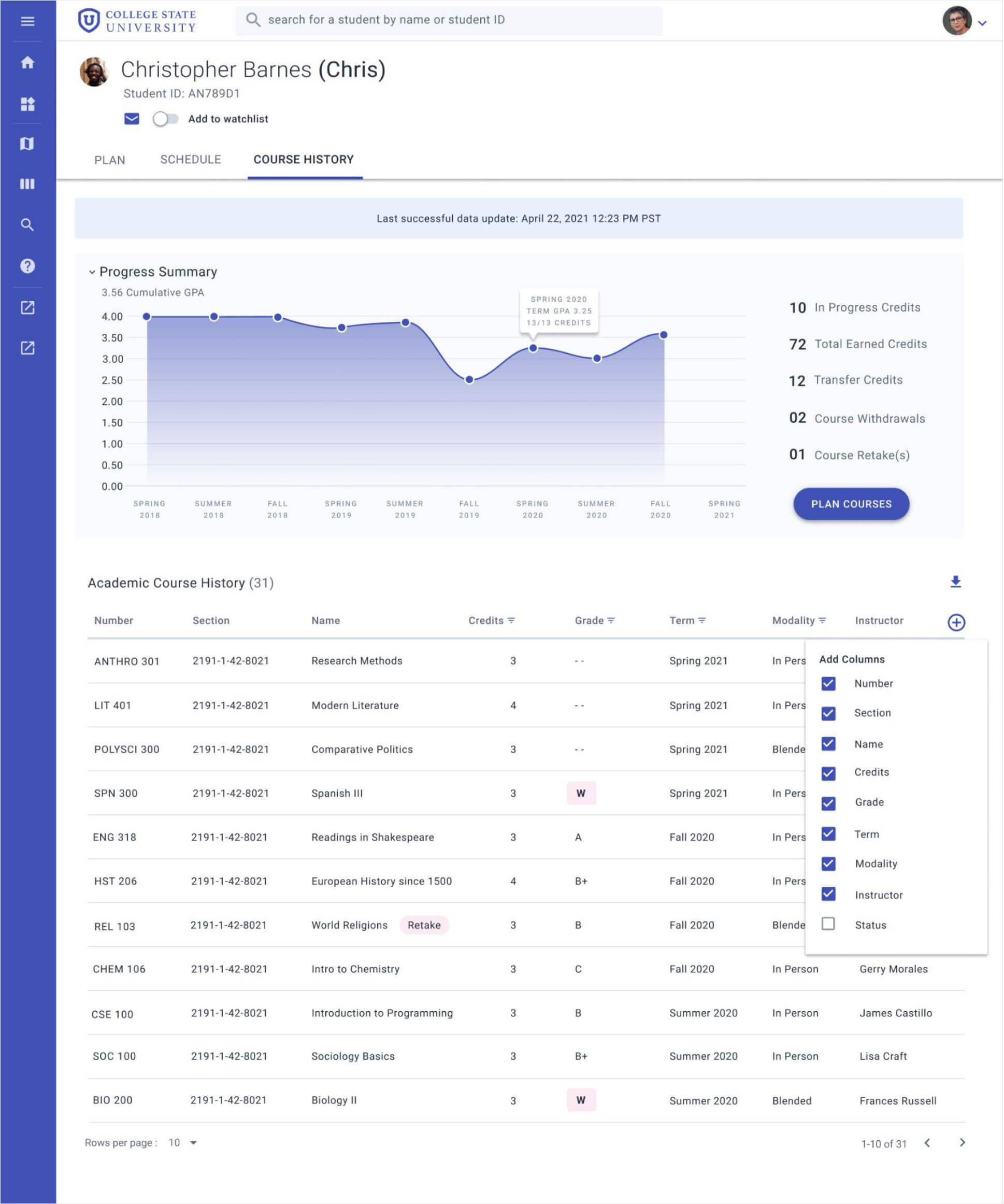
Students are not the only ones who find the usual methods of charting a course toward graduation to be time-consuming and cumbersome. We know from speaking with administrators that the standard course scheduling process often negatively impacts on staff and faculty, as well. Using current procedures, students at all levels frequently need assistance in determining the best possible schedule to meet individual educational goals. Unfortunately, this requires guidance counselors to spend valuable time working on schedule coordination rather than focusing on the more important task of helping students determine which courses to take.

We believe that College Scheduler sets a new standard for course planning and scheduling systems. Being web-based, College Scheduler allows students to use the system from anywhere that they have access to the Internet. Students especially appreciate that College Scheduler fully automates the process of finding the best class schedule, which permits them to independently generate a customized education plan.

Our simplified scheduling process is being used in schools across the nation and is available to all colleges and universities. Quick and easy to set up and requiring no additional maintenance, College Scheduler integrates with your existing student information system. If you’d like to see first hand what College Scheduler can do for your students, please give us a call. We’d be happy to answer any questions and schedule a demo to give you a better idea of how College Scheduler can streamline the course planning process for the students at your school.